MAIN MENU

Haryana voter-roll photo anomalies expose data-quality failures; they do not prove 22 fraudulent votes
A Brazilian stock photograph did appear across multiple Haryana voter-roll records, and independent reporting found other wrong-photo and missing-name anomalies in Rai. That establishes a genuine electoral-roll quality problem requiring audit and correction, but it does not by itself prove 22 ballots were cast, validate the wider 25-lakh figure, or establish a centrally directed theft operation.
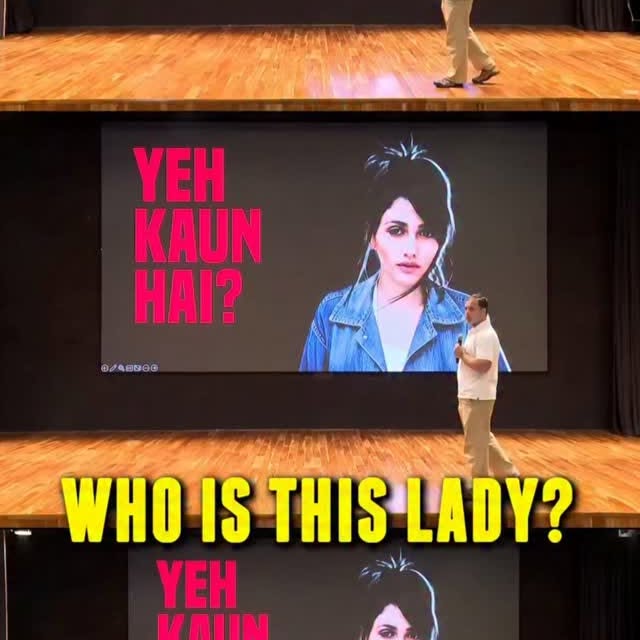
A viral Congress reel revived Rahul Gandhi’s November 2025 claim that a Brazilian stock photograph appeared in 22 Haryana voter-roll records across 10 booths in Rai and therefore proved a centralised “vote theft” operation. The repeated image is real enough to raise a serious electoral-roll integrity question. The stronger finding, however, is narrower: official voter-list data contained photo and record anomalies that deserve audit, while those anomalies alone do not establish that duplicate ballots were cast or identify who caused them.
What the submitted reel actually claims
The verified Indian National Congress Punjab account reposted the clip on 10 March 2026 with the caption “Vote theft… BJP exposed!” In the clip, Gandhi says the stock photograph is one of “25 lakh” suspect records, says “she votes 22 times” at 10 booths under different names, and argues that appearance across multiple booths proves a centralised operation. The reel establishes what Congress alleged; it is not independent proof of the allegation.
The repeated photograph is a real roll anomaly
Independent reporting traced the photograph to a Brazilian stock image and documented its appearance under multiple names in Haryana electoral-roll material. Follow-up reporting also found other roll problems in Rai, including electors whose records carried the wrong photograph and people whose names were missing from lists. These are not trivial defects: electoral rolls are the administrative basis for determining who is entitled to vote and where.
But the evidence also shows why the photo anomaly cannot be converted directly into a ballot count. NDTV located electors with incorrect photographs who said they were genuine voters and had cast their own votes. A wrong image can therefore reflect a database, enrolment or correction failure without proving impersonation. The public evidence reviewed here does not connect the 22 displayed records to 22 actual votes cast by one person.
Roll-quality failure and voting fraud are different evidentiary questions
The Election Commission’s own roll-maintenance framework distinguishes duplicate or multiple entries, incorrect particulars and poor-quality elector photographs as matters for revision, verification and correction. Form 8 specifically allows an elector to seek correction of a photograph, while ECI’s 2024 Haryana revision instructions called for identifying multiple entries, correcting roll entries and improving elector-photo quality.
That distinction matters. A repeated stock image is evidence that the roll requires explanation and correction. To prove multiple voting, investigators would additionally need evidence linking the suspect entries to actual ballots or polling records. To prove a centrally directed operation, they would need evidence showing how the entries were created, who authorised or caused them, and whether they were part of a coordinated mechanism rather than multiple administrative errors or other causes.
The wider 25-lakh and centralised-operation claims remain unproven here
Gandhi presented the photo example as part of a much larger allegation involving roughly 25 lakh suspect or fraudulent Haryana entries. The Election Commission rejected the broader accusation and pointed to electoral-roll objection and appeal procedures that, it said, had not produced corresponding challenges from Congress before polling. IndiaFiles has not independently reproduced the full statewide dataset analysis, so the 25-lakh figure cannot be treated here as an established count of fake voters or stolen votes.
The inference of centralisation is also stronger than the evidence currently permits. Appearance of the same image across multiple booths can justify investigating whether a shared data source or process was involved, but it does not by itself identify a central actor, political instruction or deliberate fraud mechanism.
Why this matters
Accurate electoral rolls are a basic democratic safeguard because errors can wrongly exclude eligible voters, create duplicate records or undermine confidence in election administration. The Haryana evidence therefore warrants institutional scrutiny even without accepting the strongest political claims. Treating every anomaly as proven ballot theft would overstate the record; dismissing the anomalies because fraud has not been proven would understate a legitimate roll-quality problem.
IndiaFiles assessment
Partially verified, with an important evidentiary boundary. The repeated Brazilian stock photograph and other Haryana voter-roll anomalies are supported by independent reporting and show a genuine data-quality issue. The claims that one woman actually voted 22 times, that 25 lakh votes were fake, or that the anomalies prove a centrally coordinated BJP–Election Commission operation remain disputed and are not established by the reviewed evidence.
