Category Economy

IndiaFiles is an independent, community-driven documentation and research platform that organizes publicly available information, records, and evidence on matters of public interest. You can contribute by joining as an approved contributor and submitting work for editorial review, or by asking our custom GPT to evaluate and, where appropriate, publish a post automatically.

Our purpose is to build a reliable, evidence-based public record—not promote a narrative. Contributors’ views are their own, opinions are clearly identified, and factual corrections or credible new evidence are always welcome.

CONTRIBUTE

Filters

Category
Tag
Entity
Geography
Type
Evidence
Period
Ranking
Author
Source
Sort by

An Instagram reel shows Ashneer Grover criticising new UPI charges. Official guidance confirms selective 0.4% merchant MDR from 15 October 2026, while U.S. records also document longstanding concerns about India’s payment policies and ongoing digital-trade negotiations; that makes U.S. pressure relevant context, but available evidence does not establish that Washington caused the MDR change or…

Open Post: Ashneer Grover’s UPI-charge criticism highlights selective MDR shift amid documented U.S. payment-policy concerns

Vipul Chaturvedi’s June 2026 satire says Indians faced ₹100-plus petrol, cheaper crude alongside high pump prices and a weakening rupee, while economic questions were met with political labels. Delhi petrol was ₹102.12 and crude had retreated sharply, while the rupee remained weak; the broader evidence shows fuel prices reflect oil, exchange rates, taxes and delayed…

Open Post: Vipul Chaturvedi’s petrol satire captures real price and rupee pressure, but simplifies why pump prices move

A Ramyagy Kumar reel reproduces Osho’s claim that poverty will be removed by science, not religion, alongside Bhagat Singh’s Why I Am an Atheist. The Osho passage is authentic in substance and the material-solutions argument has support, but poverty reduction is not caused by science alone: evidence points to growth, jobs, infrastructure, human capital, institutions…

Open Post: Osho’s claim that science, not religion, will end poverty captures part of development’s story—not the whole mechanism

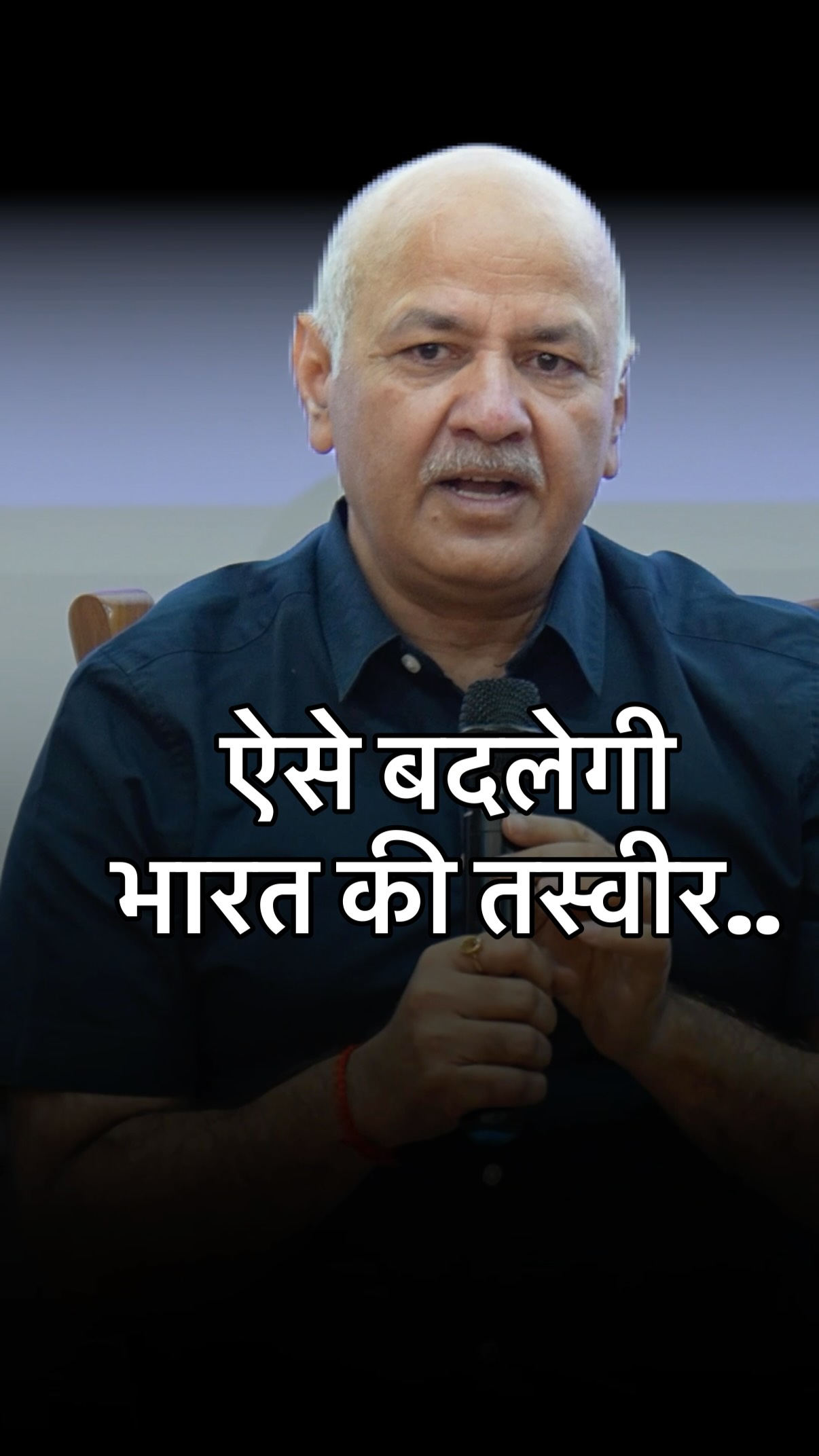
Manish Sisodia says India could remain a developing country unless education is better connected to earning opportunities. National policy and recent Economic Surveys independently identify vocational education and the skills-to-jobs mismatch as real challenges, but the evidence does not show that education reform alone can deliver developed-country status.

Manish Sisodia links a developed India to job-connected education; official policy also identifies a skills mismatch
Open Post: Manish Sisodia links a developed India to job-connected education; official policy also identifies a skills mismatch

Raviraj Patil’s June 2026 Reel argues that partisan loyalists deflect questions about jobs, education, pollution and policy by labelling critics Congressi, anti-national or Pakistani, then contrasts the rupee at about ₹60 in 2014 with about ₹95 in 2026. The currency comparison is broadly accurate and Modi’s 2013 attacks on the UPA over rupee weakness are…

Raviraj Patil’s ‘andhbhakt’ Reel links partisan loyalty to silencing criticism; its rupee comparison is broadly right but the quoted Modi line is unverified
Open Post: Raviraj Patil’s ‘andhbhakt’ Reel links partisan loyalty to silencing criticism; its rupee comparison is broadly right but the quoted Modi line is unverified

Travelling Mantra Manoj says after visiting China that India is “at least 100 years behind” and could fall further back. The century figure has no stated benchmark and is rhetorical, but World Bank data support a substantial underlying gap: China’s 2025 nominal GDP per person was about five times India’s, while India’s own human-development indicators…

Travelling Mantra’s ‘100 years behind China’ claim points to a real development gap, not a measurable century
Open Post: Travelling Mantra’s ‘100 years behind China’ claim points to a real development gap, not a measurable century

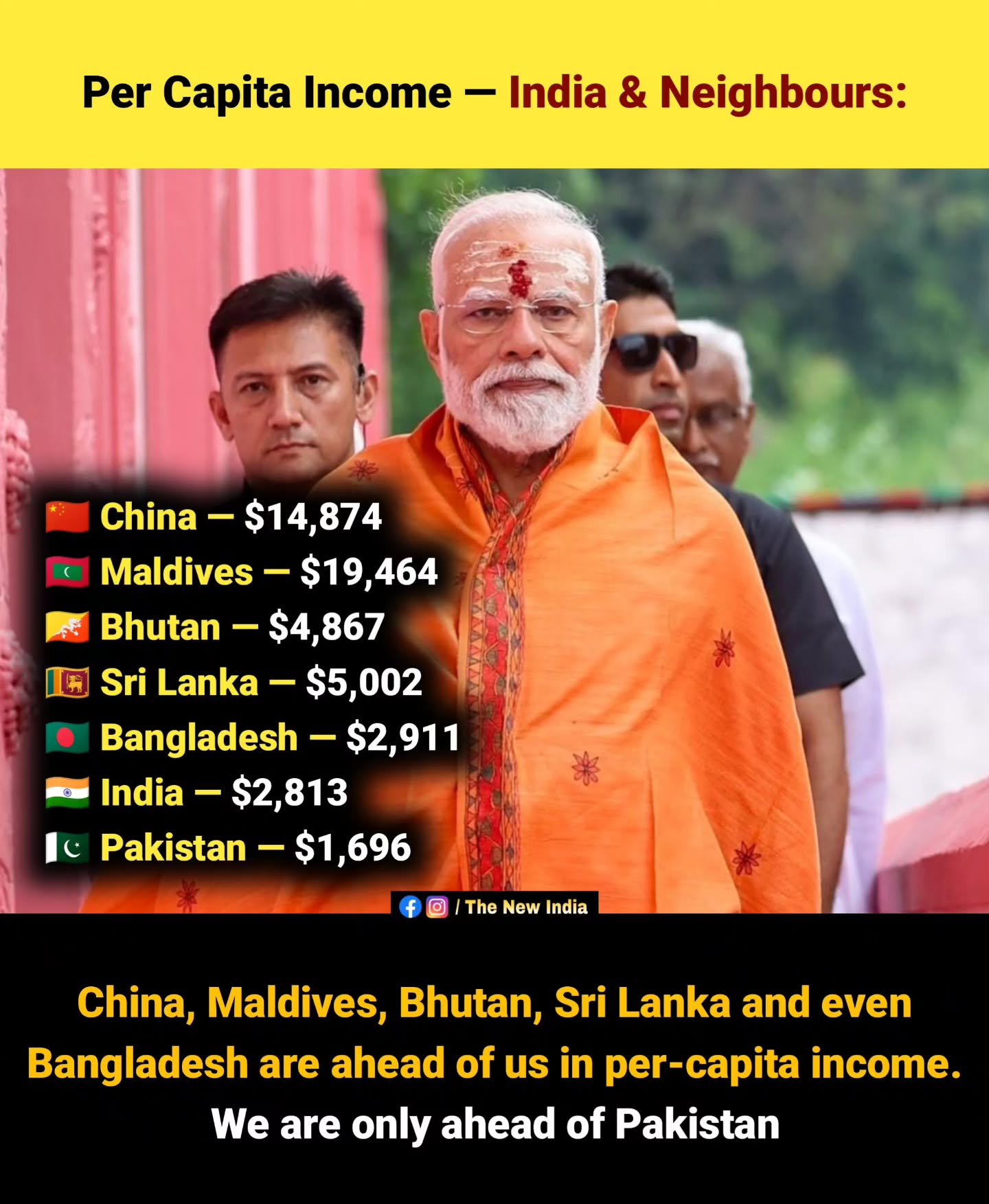
The graphic’s broad regional comparison is directionally supported, but its figures are nominal GDP per capita—not personal income—and mix 2026 IMF projections with latest available data for Sri Lanka and Pakistan. The more important finding is that India’s per-person output remains low despite its large aggregate economy; the projected Bangladesh crossover is narrow and not…

India’s nominal GDP per person remains low among several neighbours, but the viral chart mixes projections with actual data
Open Post: India’s nominal GDP per person remains low among several neighbours, but the viral chart mixes projections with actual data

Prashant Bhushan’s reel points to a real public-interest issue: Adani and Reliance hold large positions in airports, ports and telecom, making competition and regulatory oversight legitimate concerns. But the reviewed evidence does not prove that this concentration resulted from unlawful political favour, and the 2021 Mundra heroin seizure does not by itself establish culpability by…

Open Post: India’s corporate concentration is measurable; Bhushan’s political-favour claims remain unproven