MAIN MENU

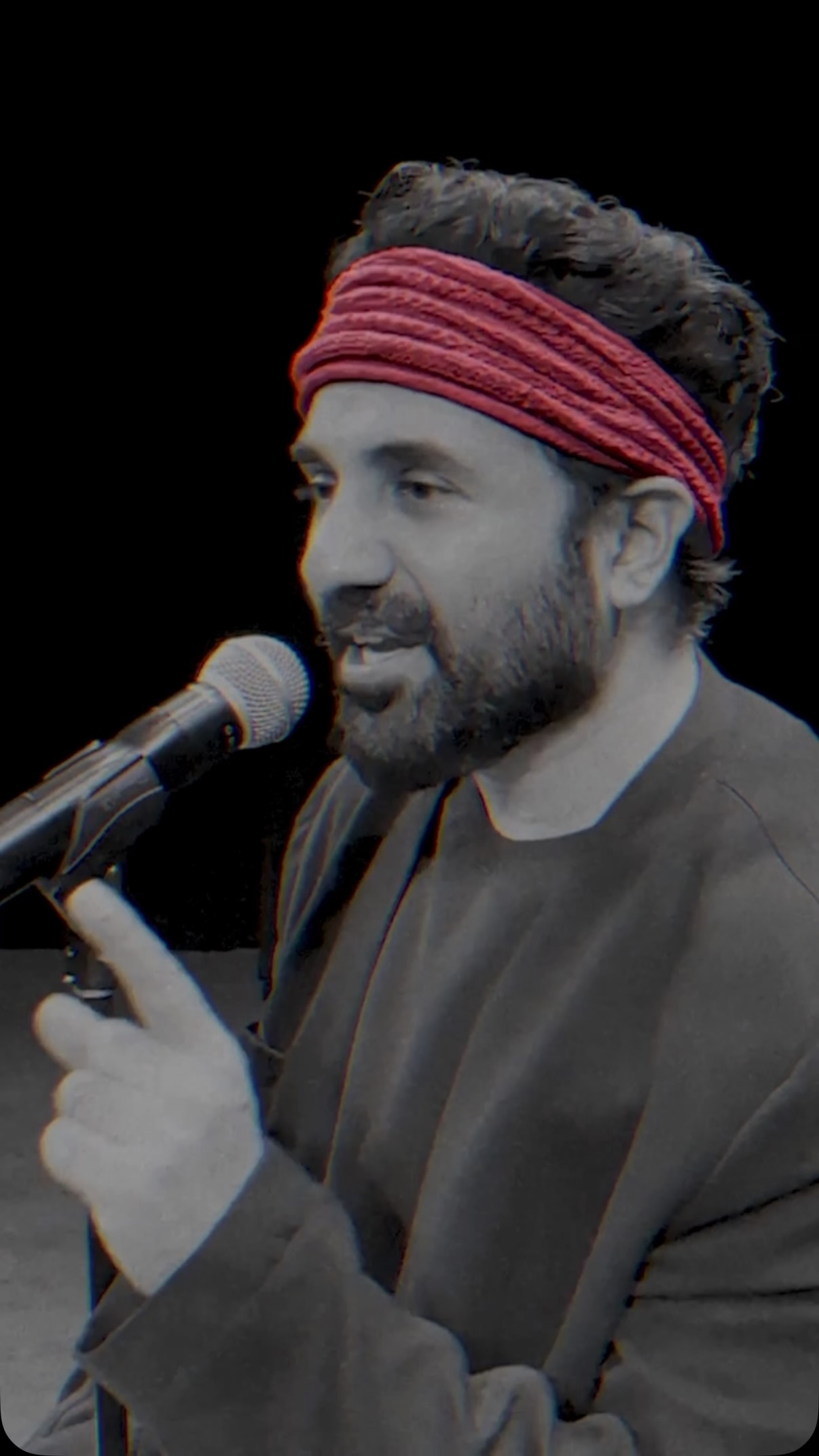
Vir Das’s attack on studio journalism invokes India’s air-pollution burden, but his claim of government-media servitude is rhetoric, not established fact
Vir Das’s July 2026 Reel tells mainstream journalists to report from the street and breathe the pollution faced by ordinary people, while accusing them of serving a government that ignores it. India’s air-pollution burden is independently well documented and authorities have taken pollution-control measures; the Reel does not establish government control of mainstream journalism or prove that those measures are adequate or effective.
In an Instagram Reel published on 21 July 2026, comedian Vir Das argues that mainstream television journalists should leave air-conditioned studios and report from the street, where they would have to breathe the pollution experienced by ordinary people. He then describes journalists as servants of a government that, in his words, ignores that pollution. The first part is a deliberately provocative proposal about proximity to lived conditions; the second is a sweeping political and media critique, not a factual relationship established by the Reel.
What the Reel says
Das’s statement combines satire and opinion with an underlying factual premise: air pollution is a serious public-health problem. The Reel itself is primary evidence that he made the statement, but it does not prove that mainstream journalists are controlled by the government or that the government simply “ignores” pollution.
The underlying issue is real and large
The 2025 State of Global Air report estimates that India had more than two million deaths attributable to air pollution in 2023. It also reports a very high air-pollution-attributable mortality burden across South Asia. That makes the lived exposure invoked by Das a substantive public-interest issue rather than merely a comic device.
At the same time, the claim that government ignores the problem is too absolute. In 2026, the Commission for Air Quality Management repeatedly invoked and revoked stages of the Graded Response Action Plan as Delhi-NCR air quality changed, and government agencies announced or reviewed measures involving vehicle emissions, dust, waste management, electric mobility and other pollution sources. Official action does not by itself establish that policy is adequate or effective, but it contradicts a literal claim that authorities take no action at all.
What the criticism can and cannot establish
Das’s broader criticism concerns media accountability: whether journalists reporting on public policy remain sufficiently connected to conditions experienced by citizens and sufficiently independent in scrutinising governments. His Reel provides an example of that criticism, not evidence of a general institutional pattern of government control over mainstream journalism. Establishing such a pattern would require evidence about ownership, editorial decisions, access, pressure, regulation, financing or documented interference across outlets; this Reel supplies none of that.
The supported synthesis is therefore narrower. Das uses exposure to polluted air as a rhetorical test of journalistic proximity and accountability. The pollution burden he invokes is independently documented and materially significant, while his characterization of journalists as government servants remains an attributed opinion. Government records also show active pollution-control measures, leaving separate and more difficult questions about their implementation, sufficiency and outcomes.
Why it matters
The Reel connects two public-interest questions that should not be collapsed into one claim: the health consequences of persistent air pollution and the democratic role of journalism in scrutinising public institutions. The first is supported by substantial health evidence. The second is a legitimate subject for evidence-led scrutiny, but this short performance does not establish systemic media capture, government motive or the effectiveness or failure of specific pollution policies.
