MAIN MENU

Election Commission’s 14 Internal Objections: Form 6, ECINet and Voter-Roll Decisions Under Gyanesh Kumar
Two Election Commissioners reportedly objected at least 14 times to voter-registration changes, centralised software controls and appeals against restored voters. The Election Commission says decisions were unanimous, but documented cases and subsequent corrections raise serious questions about lawful oversight and voters’ rights.
Listen to this article
Detecting language…
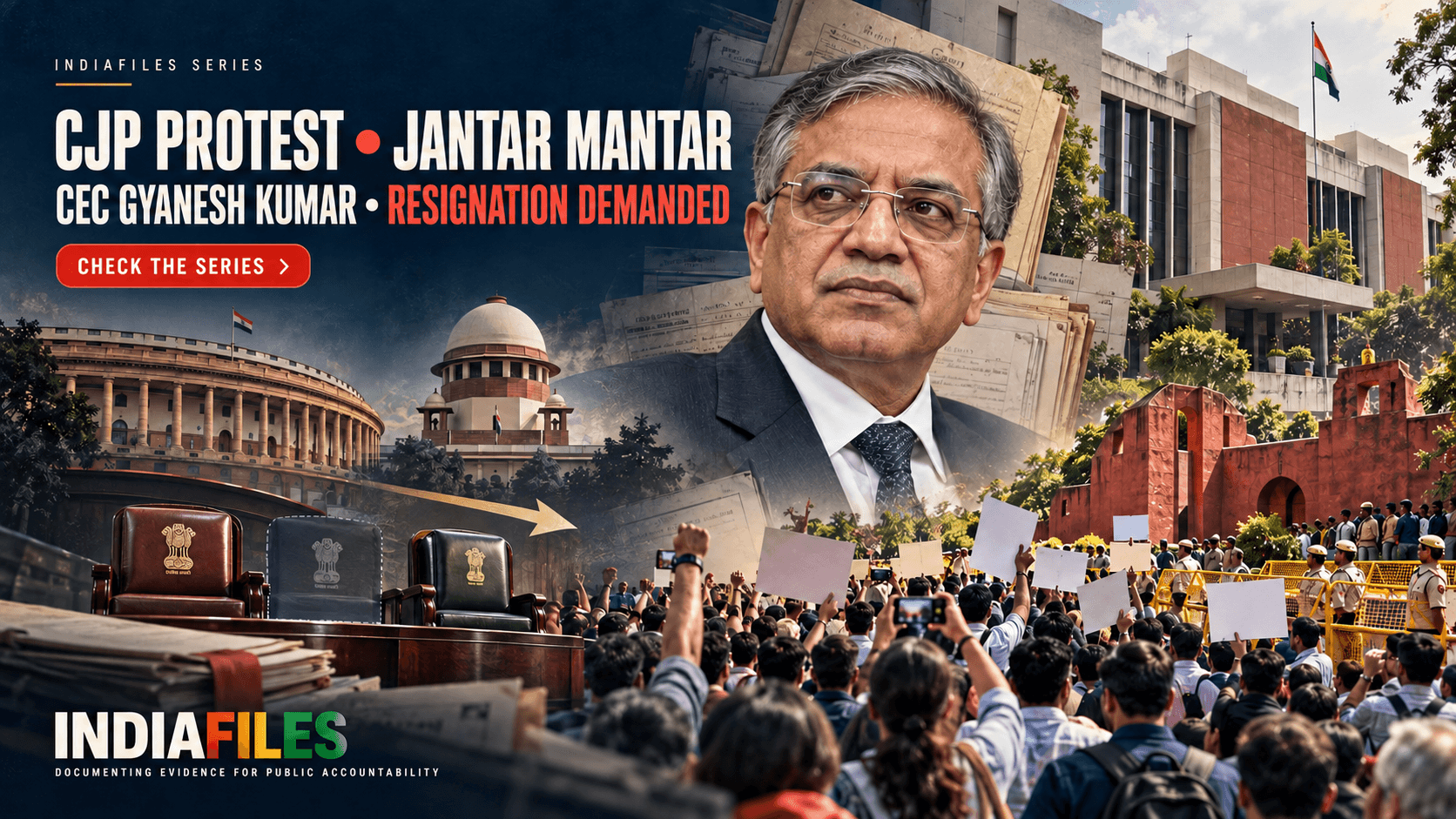
In September 2026, The Indian Express reported a striking dispute inside India’s three-member Election Commission. Its investigation, led by Ritika Chopra, examined written objections by Election Commissioners Sukhbir Singh Sandhu and Vivek Joshi to decisions and procedures concerning voter registration, changes to electoral rolls and control of election software. They had raised objections at least 14 times in 10 months. Several were copied to Chief Election Commissioner (CEC) Gyanesh Kumar.
The central question is not whether disagreement itself is unusual. It is whether important decisions affecting eligible voters were taken without the collective scrutiny required of the Commission, and whether software made it harder for local officers to carry out their legal duties. The Commission has disputed the suggestion that its decisions lacked agreement.
Why the objections matter
The Commission is meant to function as a three-member constitutional body, not as the personal office of its chair. Section 18 of the Chief Election Commissioner and Other Election Commissioners (Appointment, Conditions of Service and Term of Office) Act, 2023 says Commission business should, as far as possible, be conducted unanimously; a difference of opinion is decided by majority. Decisions on the division of work require unanimity. This does not mean every decision requires each commissioner’s approval, but it does make excluding members from substantial decisions a serious institutional question.
The Express reported objections to four connected areas: the online Form 6 used for new voter registration; access to electoral-roll software; appeals against voters restored to the rolls in West Bengal; and changes in work allocation and oversight of the IT system. The newspaper said it had examined correspondence and interviewed officials. The original notes have not been independently authenticated by IndiaFiles.
Form 6: a new question without a rule change?
In July, the online Form 6 began asking applicants about their or their parents’ or grandparents’ presence in an older Special Intensive Revision (SIR) electoral roll. Although the question was presented as a declaration, the application reportedly could not be submitted without an answer.
According to the Express, Joshi had warned in May that this change could not be made without amending the applicable rules, and Sandhu later called the addition unauthorised and illegal and asked for its removal. That is a reported legal objection by commissioners, not a final judicial ruling that the form change was unlawful. The distinction matters because registration conditions must come from law, rather than an unexplained software requirement.
ECINet: who can correct the voters’ list?
ECINet was launched in January 2026 to bring election-related applications into a common system. Electoral Registration Officers (EROs), who have legal responsibility for electoral rolls in their areas, depend on these systems to add, correct and restore names. Joshi reportedly warned of the gradual centralisation of the database in Delhi and asked for an audit to ensure that only authorised statutory officers could change records. Sandhu separately flagged reports that field officers lacked full access.
The most concrete illustration came from Goa. The Express reported that local EROs found 97 voters eligible to remain on the rolls but could not record their decisions because the software lacked the necessary reversal option. Goa officials reportedly sent eight emails in seven days seeking a fix. The 97 were nevertheless left off the final roll. If eligible voters cannot be restored after lawful examination because of a software restriction, that is an unjust administrative failure, regardless of any political motive. It also shows why technical access and an independently checkable audit trail matter.
West Bengal: who filed appeals against restored voters?
In West Bengal, around 60 lakh voters had been flagged for so-called logical discrepancies during the SIR. After judicial involvement in the process, disputes arose over appeals seeking to reverse decisions restoring names. The Express reported that 16.10 lakh appeals had been filed against voters included by judicial officers, alongside 22.21 lakh appeals by deleted voters seeking restoration. Sandhu asked who had authorised appeals purportedly filed for the Commission. The Commission’s account to the court did not identify who filed the 16.10 lakh appeals.
Those figures should not be confused with proof that the appeals were forged, politically ordered or successful. But the absence of a clear public account of their authorisation is a serious accountability gap: a voter who has won restoration should be able to know who is challenging that decision and on what grounds. The allegation that the appeals were orchestrated by a particular party remains unestablished.
The Election Commission’s response and what changed afterwards
After publication, the Election Commission acknowledged the commissioners’ written notes, described differing views as part of decision-making and said that decisions over the preceding year had been unanimous. That response matters and must not be omitted. It did not, however, publicly resolve several of the specific questions raised in the reporting about the Form 6 alteration, authorisation of West Bengal appeals or the earlier lack of full Commission meetings.
On 26 September, the three commissioners met and announced measures addressing parts of the dispute, including a review of ECINet and relief from in-person hearings for certain voters flagged as unmapped or having logical discrepancies. Those corrective steps are important, but they do not retrospectively establish that every earlier action was properly authorised. In October, litigation challenging the Commission’s functioning and the SIR continued; court notices and hearings are procedural developments, not findings of guilt.
What the evidence supports
Akash Banerjee’s September reel discussing the Express investigation argues that these disclosures warrant CEC Gyanesh Kumar’s resignation and accuses the Commission of vote theft. The call for resignation is a political and ethical judgment. The reported internal objections, unanswered procedural questions and the Goa example support a demanding public account of who authorised changes, who controlled the software and what happened to excluded voters. They do not, by themselves, establish that Kumar stole votes, acted on behalf of a political party or personally ordered every contested action.
More than 13 crore deletions from draft rolls across the wider SIR process were reported by the Express; that number must not be presented as 13 crore people finally or permanently denied a vote. Whether the SIR was justified as a roll-cleaning exercise depends on accurate identification, fair notice, workable restoration and independent review.
The strongest documented conclusion is an institutional one: when two commissioners repeatedly challenge changes affecting voting rights, and eligible voters demonstrably fall through a technical gap, the Commission owes a clear, recorded explanation and effective correction. The failure to safeguard those voters was unfair. The unresolved questions about authorisation and oversight deserve independent scrutiny, without treating unproven claims of deliberate election theft as settled fact.