MAIN MENU

Tag Freedom of expression
Freedom of speech, political expression, criticism, satire and related restrictions or safeguards.
In an Independence Day poem, @notesbyheart11 links the Tiranga to those who gave their lives for India's freedom. Its appeal to protect that freedom also points to the constitutional rights citizens exercise today—not just the annual celebration of 15 August.
No comments on A Tiranga poem remembers the sacrifices behind independence—and asks what it means to protect freedom today
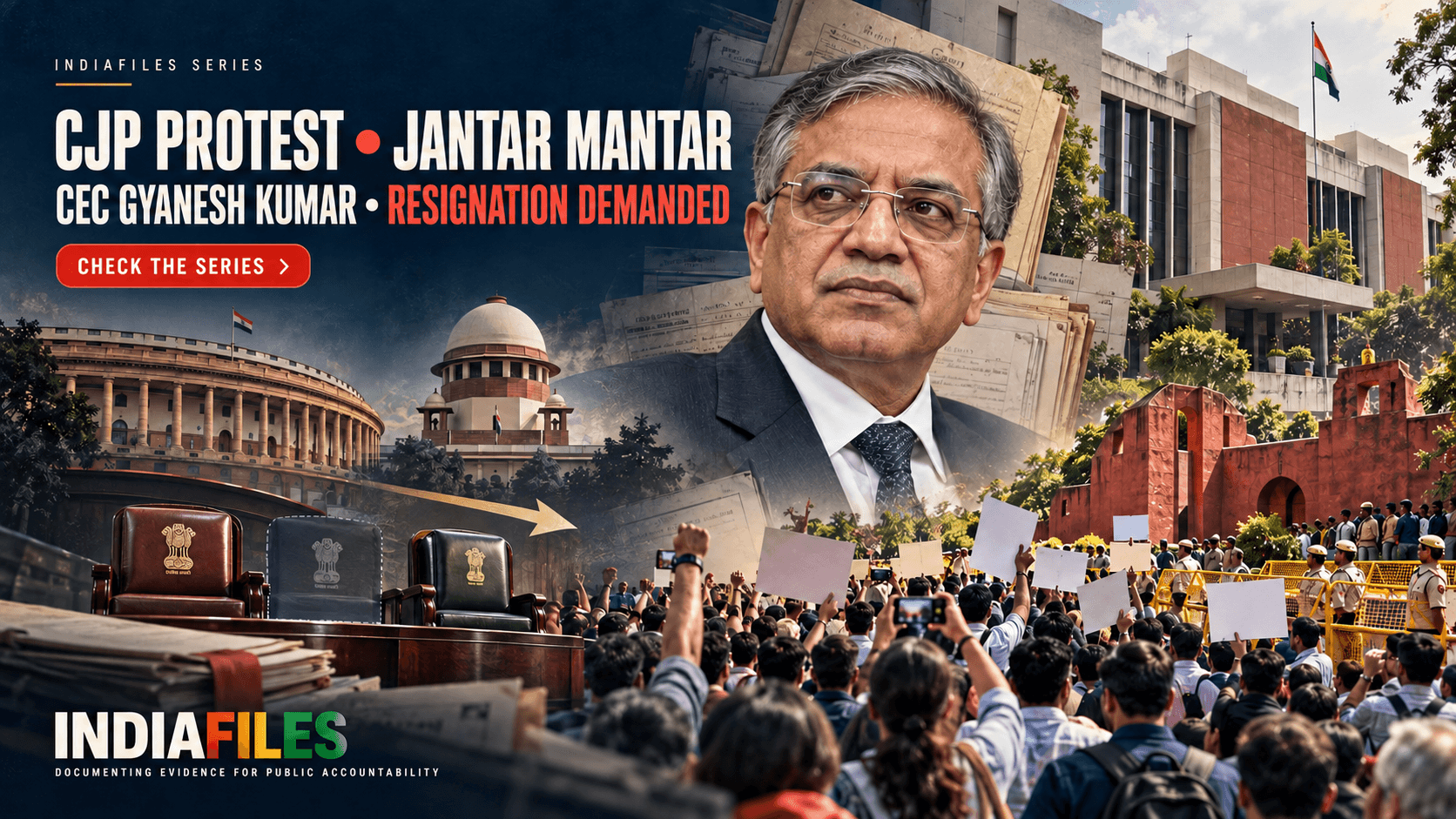
Journalists speaking at the Press Club of India describe obstruction, detention and mistreatment while covering protests against Chief Election Commissioner Gyanesh Kumar. Independent reporting and press bodies document wider detentions, while specific assault and harassment allegations remain subject to investigation—raising a concrete question about policing and the right to report.
ENTITIES : Delhi Police
GEOGRPAHY : Delhi
TYPE : Reporting
PERIOD : 2026
UPDATED : 19 Oct 26 / 7:10 pm
A 15 October 2026 confrontation near Shankar Market captures a sharper dispute: protesters say they were denied space to assemble peacefully, while Delhi Police cites security and public-order restrictions. The removal of Jantar Mantar as a protest venue has brought the balance between policing and democratic dissent under Supreme Court scrutiny.
A 2 October 2026 reel identifies journalist Harsh as he repeatedly refers to his press card during police action near Jantar Mantar. Independent reporting confirms large protest detentions that day, but the individual detention and its legal basis require separate scrutiny. Later detentions of reporters deepen the press-freedom question.
GEOGRPAHY : Delhi
TYPE : Event
EVIDENCE : Primary Source
PERIOD : 2026
UPDATED : 18 Oct 26 / 10:03 pm
Reporters covering the 10 October 2026 Delhi demonstrations say police detained them despite visible press identification, pushed journalists and seized work phones. Newslaundry, other newsrooms and Reuters corroborate multiple incidents. Police cited public-order risks, but the evidence raises a separate question: why were identifiable journalists prevented from reporting?
GEOGRPAHY : Delhi
TYPE : Analysis
EVIDENCE : Corroborated
PERIOD : 2026
UPDATED : 18 Oct 26 / 9:57 pm
From the 2023 election-commissioner appointment and legal-protection framework to voter-roll disputes, Delhi's CJP protests, detentions, the Tiranga March and a London demonstration, these connected records examine electoral accountability and the treatment of peaceful dissent. Verified restrictions and reported internal objections do not by themselves prove deliberate vote theft or politically directed suppression.
TAGS : Police Accountability, Election Commission independence, Right to Peaceful Protest, Election integrity, Freedom of expression, election-commission, Press Freedom
ENTITIES : Gyanesh Kumar, Cockroach Janta Party (CJP), Delhi Police, Election Commission of India, Supreme Court of India
EVIDENCE : Partially Verified
RANKINGS : Featured
CHECKOUT : CJP (Cockroach Janta Party)
UPDATED : 21 Oct 26 / 12:10 pm
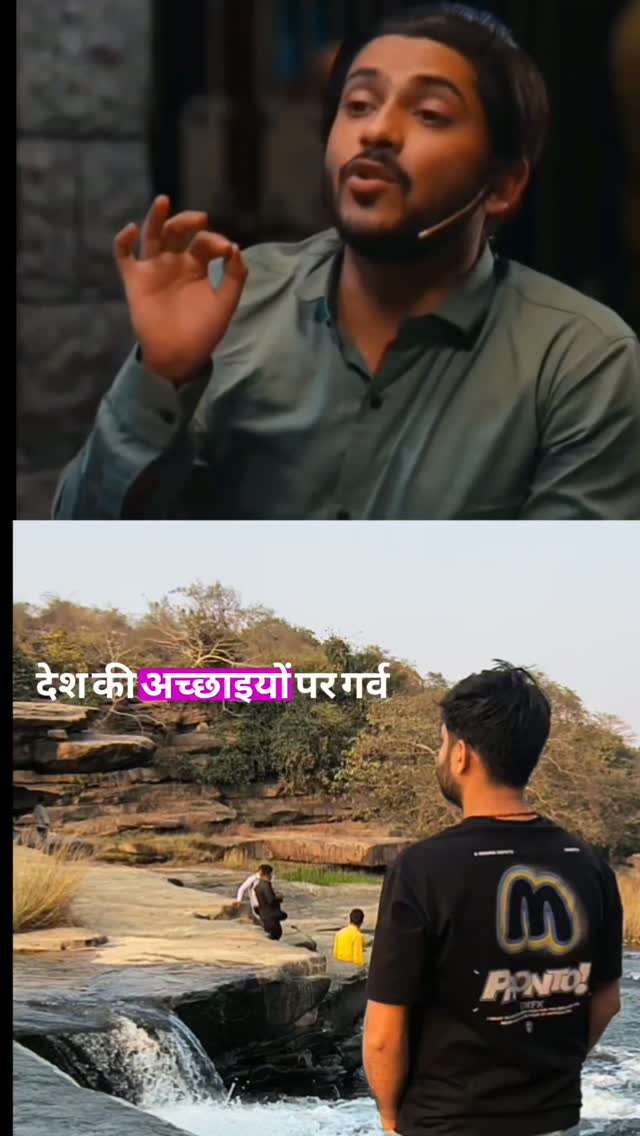
A reposted excerpt from Purav Jha’s June 2026 Khan Sir parody says a patriot can question a country’s shortcomings and that asking hard questions is the media’s job. The clip is satire, not a real Khan Sir statement; Press Council standards and the Supreme Court’s MediaOne judgment support critical press scrutiny as a democratic function,…
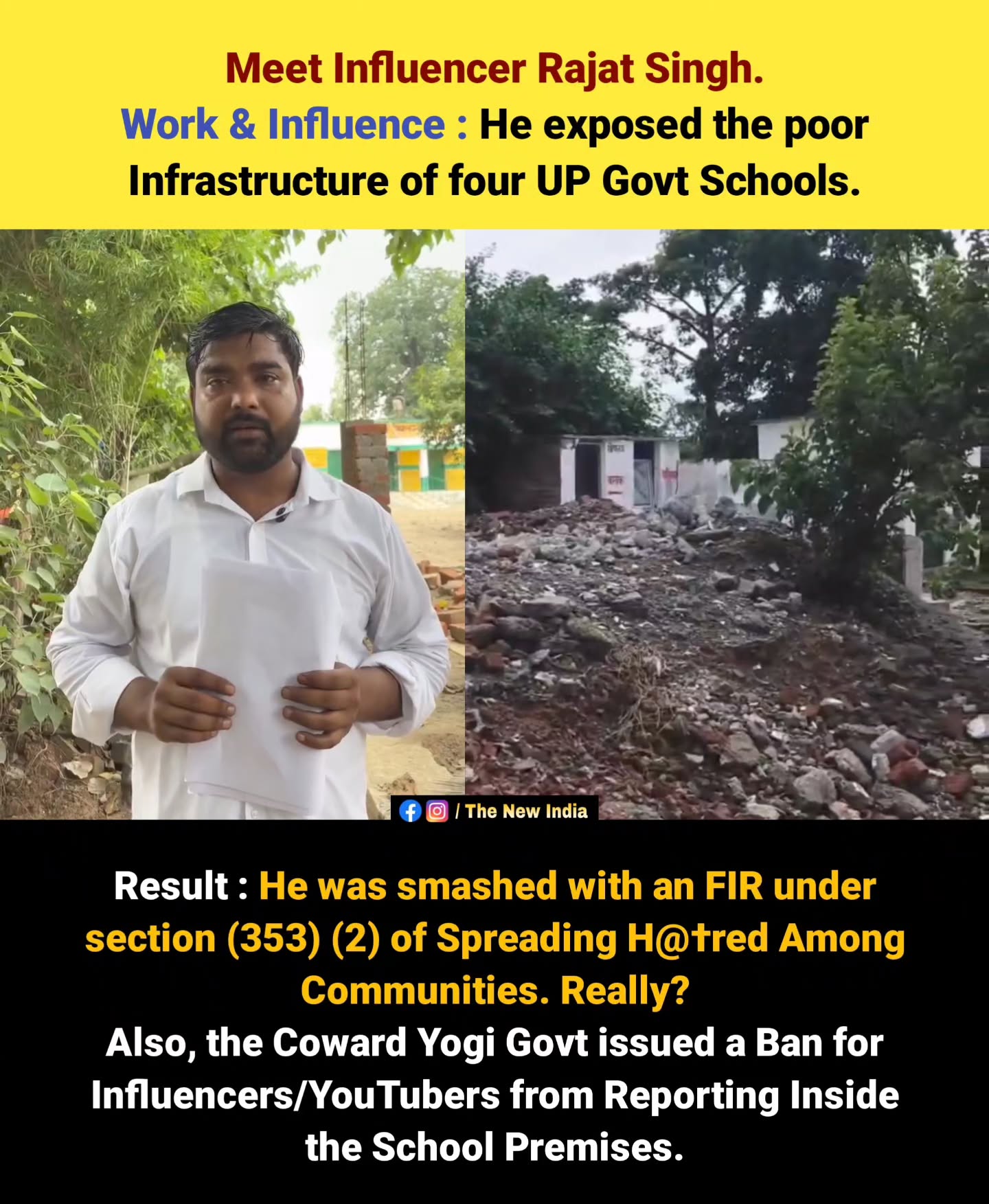
The New India said activist Rajat Singh was booked after exposing poor conditions in four UP government schools and that YouTubers were banned from reporting inside schools. The FIR over his Deoria school video is confirmed, and restrictions plus similar cases spread across several districts, but the FIR also cited BNS 329(4), the measures concerned…
An IndiaBizHub reel presents Khan Sir defending Gandhi’s legacy through his 1947 peace work, Mountbatten’s “one-man boundary force” tribute, an Einstein quotation and a comparison with criticism of Jinnah in Pakistan. The historical core is broadly supported, but Gandhi was in Calcutta—not Noakhali—on 15 August 1947, Einstein did not specify “100–200 years,” and the claim…

UPDATED : 15 Sep 26 / 11:26 am