MAIN MENU

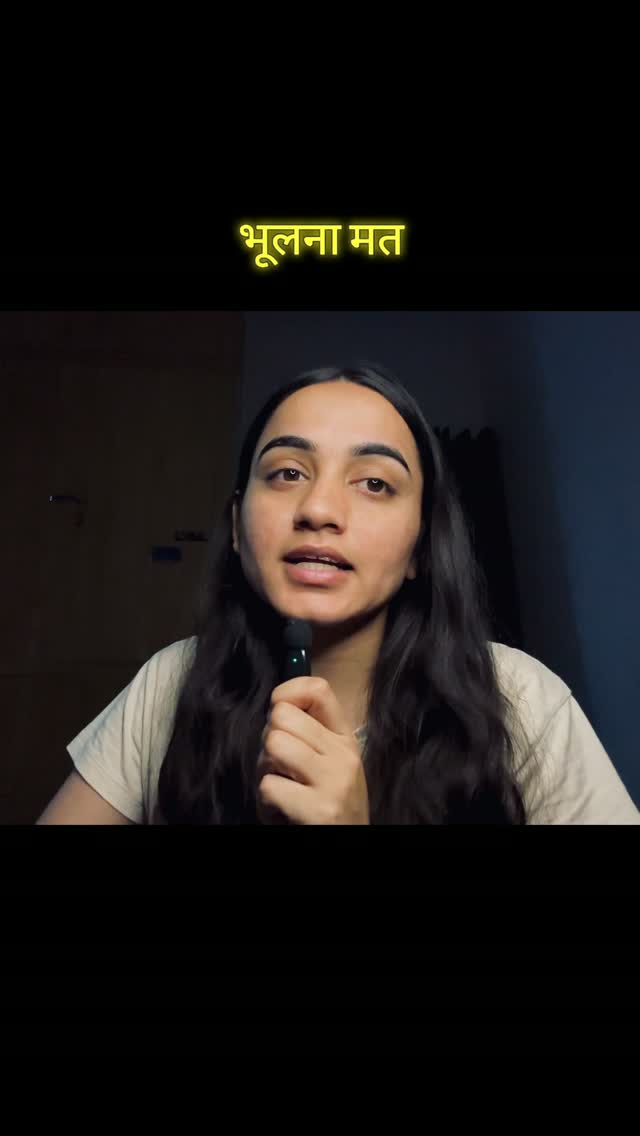
Muskan’s July 20 CJP protest reel captures Delhi clashes as exam-leak anger turned into a police-accountability dispute
Muskan’s 20 July reel shows chaotic scenes from the CJP-led Delhi protest and urges students to remember how they were treated. Official and independent evidence confirms the underlying NEET-UG 2026 paper leak, violence and injuries during the Parliament march, and police use of significant crowd-control force that later drew judicial scrutiny; the reel itself does not establish its caption’s allegation that students were called “terrorists”.
An Instagram reel posted by Muskan on 20 July 2026 shows a dense, chaotic crowd during the Cockroach Janta Party (CJP)-led protest in central Delhi. Its caption tells students not to forget who stood with them and alleges that they were called “terrorists”. The reel is evidence of what this creator posted and of scenes from the protest; by itself, it does not establish who used that label or prove every allegation in the caption.
What the protest was about
The July mobilisation grew from anger over the integrity of NEET-UG 2026 and wider examination failures. This was not merely a rumour about a leak: the Central Bureau of Investigation registered a case after the Education Ministry referred allegations of a pre-exam compromise, and by 15 May the CBI said questions dictated to students before the 3 May examination matched the actual paper. By 27 May, the agency said it had arrested 13 people and traced leaked Chemistry, Biology and Physics questions. The National Testing Agency subsequently conducted a NEET-UG re-examination on 21 June.
CJP’s campaign broadened that exam-integrity grievance into demands for accountability and reform. On 20 July, thousands joined its “Sansad Chalo” mobilisation from the Jantar Mantar area towards Parliament. Delhi Police had said no permission had been granted for a march to Parliament. As protesters attempted to move through barricades, clashes followed.
What happened on 20 July
Contemporary reporting documented police use of batons and tear gas, injuries to protesters and police personnel, detentions and damage to government vehicles. Delhi Police said more than 100 personnel were injured and alleged rioting, assault on public servants and damage to public property. Reporting also put the number of injured protesters at around 60. These facts matter because the day cannot accurately be reduced either to a wholly peaceful march met with force or to police action against violence without examining how force was used against particular people and at particular moments.
The use-of-force question became more serious after official records reported that Rapid Action Force personnel fired crowd-control munitions, including plastic pellets, on the direction of a Delhi Police officer. Later reporting and an Amnesty International Evidence Lab investigation also documented pellet-firing weapons and injuries, while Delhi Police publicly disputed allegations of disproportionate force. The Supreme Court subsequently said allegations surrounding injuries to protesters and police warranted consideration of a fair and independent investigation and ordered preservation of electronic evidence.
What the reel establishes — and what it does not
Muskan’s reel is a participant-era social record of the July 20 confrontation and the political memory that formed around it. Its caption frames the episode as a lesson in remembering institutional and political conduct. That framing is opinion and advocacy, not independent proof. In particular, IndiaFiles has not established from the reel or the sources reviewed here who, if anyone, called the students “terrorists”; that claim remains attributed to the caption rather than stated as fact.
The broader issue, however, is independently supported: students were protesting a real exam-integrity failure, the march produced violence and injuries on both sides, security forces used significant crowd-control force, and the legality and proportionality of that response became a matter of judicial scrutiny. The evidence therefore supports treating the reel not simply as a viral protest clip, but as one artifact from a larger dispute over examination accountability, the policing of youth protest and safeguards on state use of force.
What followed
The protest continued after July 20. The Centre later held talks with CJP representatives, Education Minister Dharmendra Pradhan resigned on 25 July, and CJP announced the end of its agitation after saying key demands had been accepted. On 1 September, the Supreme Court ordered closure of FIRs registered across the country in relation to student protests over the NEET paper-leak issue between 20 and 25 July, while protecting the future of students who had participated bona fide.
Evidence boundary: the record establishes the NEET-UG 2026 leak through official investigative statements, documents the July 20 confrontation through multiple independent reports, and records later judicial scrutiny and relief. It does not assign individual responsibility for every act of violence visible in protest footage, prove the reel caption’s “terrorist” allegation, or infer the private motives of police, protesters or political actors.
