MAIN MENU

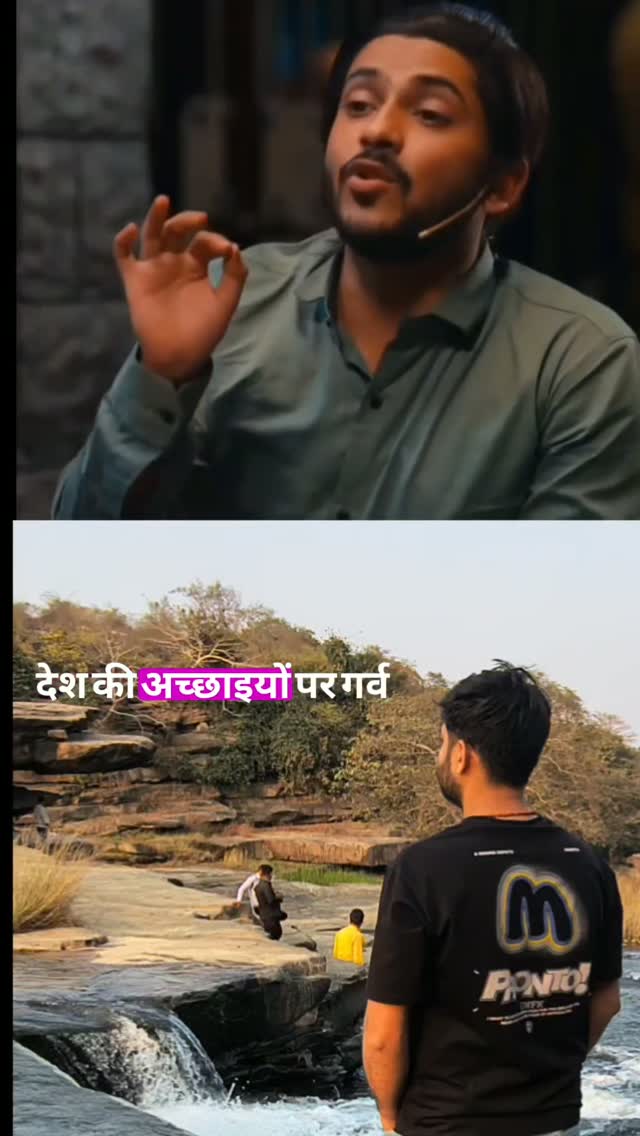
Purav Jha’s Khan Sir parody frames questioning national failures as patriotism — and press scrutiny as a democratic duty
A reposted excerpt from Purav Jha’s June 2026 Khan Sir parody says a patriot can question a country’s shortcomings and that asking hard questions is the media’s job. The clip is satire, not a real Khan Sir statement; Press Council standards and the Supreme Court’s MediaOne judgment support critical press scrutiny as a democratic function, but the parody does not by itself prove systemic media bias.
In Battle: Khan Sir v/s Media, a satirical video published by creator Purav Jha on 23 June 2026, Jha plays a character modelled on educator Khan Sir in a fictional confrontation with television media. A later Instagram reel from @atulprayagi_2040 reposts a short section of that performance.
In the excerpt, the character argues that patriotism is not limited to celebrating a country’s strengths: questioning its shortcomings can also be patriotic. He then says that asking such questions and telling the truth are part of the media’s job. The scene is performance and political-media satire, not a recording of Khan Sir making these remarks. The repost’s caption itself describes the material as Purav Jha content, while the original full video credits Jha and a cast and production team.
What the evidence establishes
The immediate proposition is normative rather than a checkable claim about a single event: journalism should scrutinise failures and power, and criticism of the country or government should not automatically be treated as disloyalty. That principle has substantial support in India’s institutional standards. The Press Council of India’s Norms of Journalistic Conduct state that journalism’s fundamental objective is to serve people with fair, accurate and unbiased information on matters of public interest, and that reporting should put issues in perspective rather than manufacture news.
The Supreme Court made the democratic principle more explicit in its 5 April 2023 MediaOne judgment. It held that an independent press is vital to a democratic republic, described the press as having a duty to scrutinise state functioning and present citizens with hard facts, and said criticism of government policy cannot by itself be treated as anti-establishment or as a ground for restricting press freedom.
What the parody does — and does not — prove
Jha’s larger video uses the Khan Sir persona to criticise television-news priorities, sensationalism and the displacement of issues such as paper leaks and student concerns by personality-driven confrontations. Contemporary coverage of the parody also identified those themes. But satire is evidence of the creator’s critique, not proof that Indian television media as a whole behaves in the way the skit suggests. Establishing a systemic pattern of bias, censorship or neglected coverage would require a separate, comparative analysis of outlets, stories and time periods.
The more defensible significance of this clip is therefore narrower and clearer: it turns a recurring democratic tension into popular satire — whether criticism should be read as disloyalty, or as part of citizenship and journalistic accountability. India’s professional and constitutional standards support space for critical scrutiny, while also requiring journalism itself to meet standards of accuracy, fairness and evidence.
Evidence boundary
This record verifies the origin and satirical context of the submitted excerpt and tests its central normative proposition against Press Council standards and a Supreme Court judgment. It does not independently validate every allegation or example contained elsewhere in the full parody, nor does it establish motive or political bias across the news industry.
