MAIN MENU

Delhi’s 10 October protest: Metro restrictions, cancelled trains and the right to reach Jantar Mantar
Ahead of the 10 October 2026 Jantar Mantar protest, Delhi authorities restricted Metro access and cancelled many railway services. Subsequent court proceedings exposed the difference between planned closures and actual operations—and raised serious questions about whether security restrictions went too far.
Listen to this article
Detecting language…
On 9 October 2026, an Instagram reel published by Dhruv Rathee urged people to gather at Jantar Mantar the following day. It accused the authorities of shutting more than 50 Metro stations, stopping trains and cancelling buses, and described Delhi as being put under an almost complete lockdown because of the protest. The speaker argued that the restrictions showed the government feared a large demonstration. The actual transport decisions, and the legal challenge they prompted, tell a more specific and troubling story: sweeping curbs were initially ordered, several restrictions were later narrowed, yet reaching the protest remained difficult.
Why protesters planned to assemble
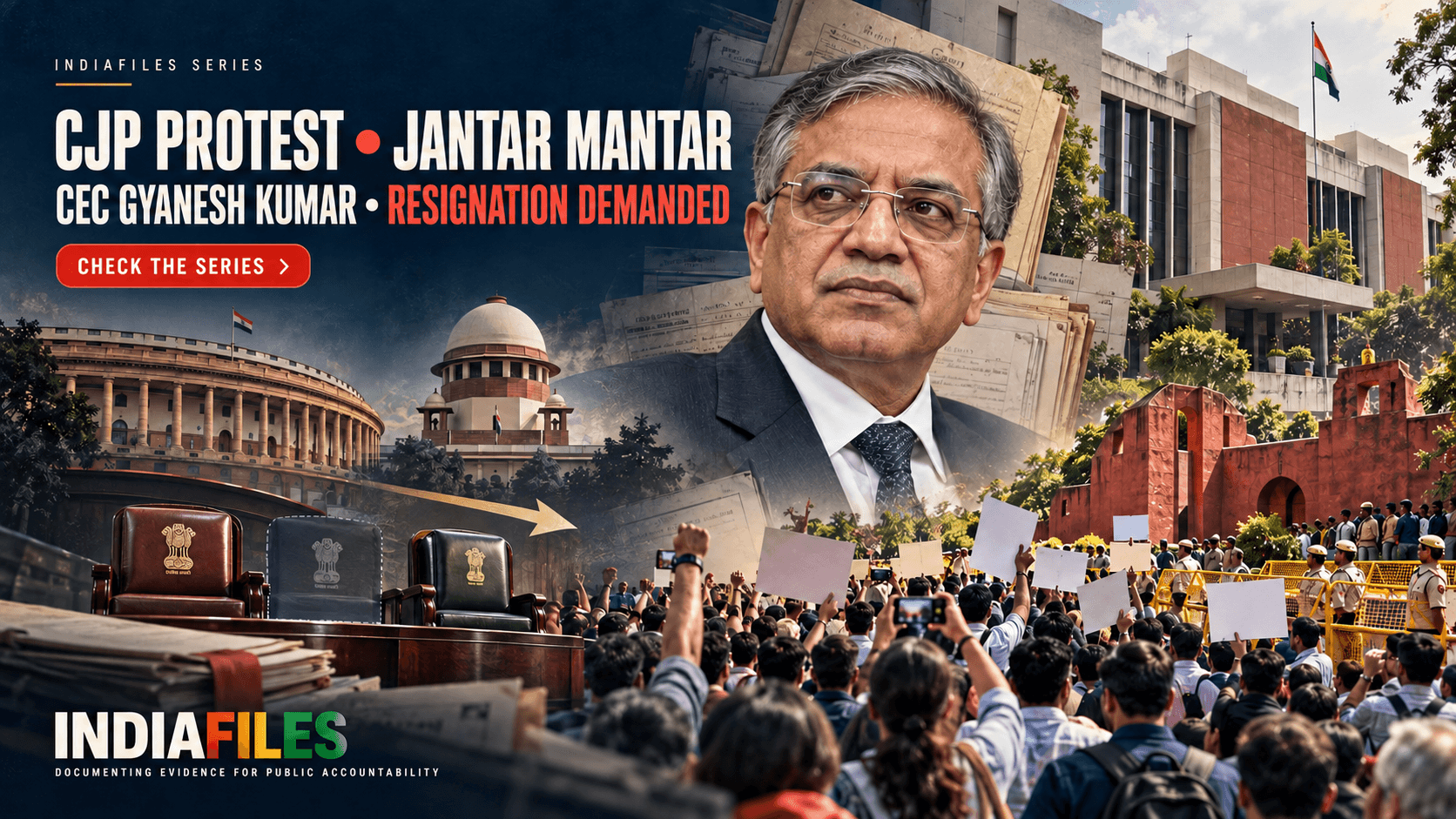
The 10 October demonstration was organised around demands concerning the Election Commission and the revision of electoral rolls. Cockroach Janta Party supporters and other critics questioned voter-list deletions and called for Chief Election Commissioner Gyanesh Kumar to resign. These were allegations and demands, not established findings that electoral fraud had occurred. The controversy matters here because the expected protest was the stated reason for the extraordinary security and transport arrangements.
What was ordered and what happened to Delhi Metro
The Supreme Court’s 9 October order recorded official plans that contemplated reduced Metro frequency and closed entry and exit gates at 57 stations, alongside the cessation or cancellation of railway services serving New Delhi and Hazrat Nizamuddin. The Court called for reconsideration and proportionate restrictions rather than a broad shutdown.
By the revised arrangements, entry and exit restrictions affected 45 of 303 Metro stations between the evening of 9 October and 10 October. Interchange was generally available, with an exception at New Delhi station. In a later filing before the Supreme Court, the Delhi Metro Rail Corporation said all 4,157 scheduled Metro trips had operated and that most stations remained fully open. Thus, the reel’s claim of more than 50 closed stations reflected the scale of the original announced plan, but does not accurately describe the final station-entry restrictions reported for 10 October. An entry-gate closure is also different from cancelling a running Metro train.
Railway cancellations and difficulty reaching the protest
Mainline rail services were a separate matter. Northern Railway arrangements reported ahead of the protest listed 230 cancelled trains, nine short-originated or short-terminated services and two rescheduled services across the affected travel period. These figures should not be confused with Metro trips. They show that disruptions extended beyond station gates even though DMRC later reported that its own trains continued running.
Reporting from 10 October documented barricades, vehicle checks, heavy police deployment and detentions that prevented or delayed people travelling towards Jantar Mantar. People who were neither joining the protest nor accused of wrongdoing could also face inconvenience when ordinary transport access was restricted. The reel’s specific allegation about cancelled buses has not been established with a comparable verified bus-service inventory, and its suggestion that the Prime Minister personally ordered each measure is not demonstrated by the available records. DMRC told the Court it acted on Delhi Police directions.
What the Supreme Court said
On 9 October, the Supreme Court examined the planned closures and warned that the restrictions had to be proportionate to public-order needs. On 11 October, while hearing allegations that its earlier directions had been violated, it found a prima facie case sufficient to issue contempt notices and sought responses. That was a preliminary procedural finding, not a final ruling that any named official was guilty of contempt. The Court also emphasised ordinary transport functioning and protection against unlawful detention of peaceful people.
India’s Constitution protects freedom of expression and peaceful assembly, while permitting reasonable, legally justified restrictions for public order. Authorities may manage a credible safety risk, protect passengers and impose targeted traffic controls. But restrictions capable of preventing large numbers of people from getting to a lawful demonstration need a convincing, evidence-based explanation of why narrower arrangements could not work. A general fear of disorder does not, by itself, justify making peaceful assembly practically inaccessible.
What the episode establishes
The strongest documented criticism is not that Delhi Metro completely stopped: DMRC says it did not. It is that authorities initially planned exceptionally wide restrictions, substantial railway cancellations and intensive policing around a public protest, while the practical burden fell on protesters and other travellers. On the evidence currently reported, the breadth of the initial plan and the barriers to reaching Jantar Mantar were excessive unless officials can demonstrate concrete risks that less disruptive controls could not address. That is an ethical assessment of the documented measures, not a final court judgment on their legality or anyone’s motive.
The 9 October reel correctly drew attention to a major attempt to control travel ahead of the demonstration, but mixed planned and implemented Metro restrictions and expressed an unproved conclusion about political fear. The public-interest question remains whether the authorities protected public safety while preserving a meaningful opportunity to protest—or used restrictions so broad that the right to assemble became difficult to exercise. The Supreme Court proceedings, rather than the reel’s political interpretation alone, are central to resolving that question.