MAIN MENU

Two Election Commissioners’ objections over SIR: what 13 crore draft exclusions reveal about voter-list safeguards
Two Election Commissioners reportedly objected at least 14 times to decisions involving voter registration, roll software and SIR. More than 13 crore draft-roll exclusions and problems restoring eligible voters show why collective oversight, transparent records and effective correction routes matter. The Election Commission disputes that its decisions lacked collective approval.
Listen to this article
Detecting language…
Two of India’s three Election Commissioners reportedly raised repeated objections to the way major decisions were made during the Special Intensive Revision (SIR) of voter lists. At the same time, more than 13 crore names were left out of draft electoral rolls across 30 states and Union Territories. These are connected but different findings: the first concerns how the Election Commission makes and supervises decisions; the second concerns what happened to voter registration records. Together, they test whether an eligible citizen can depend on fair, accountable procedures to remain on the electoral roll.
What the two commissioners reportedly objected to
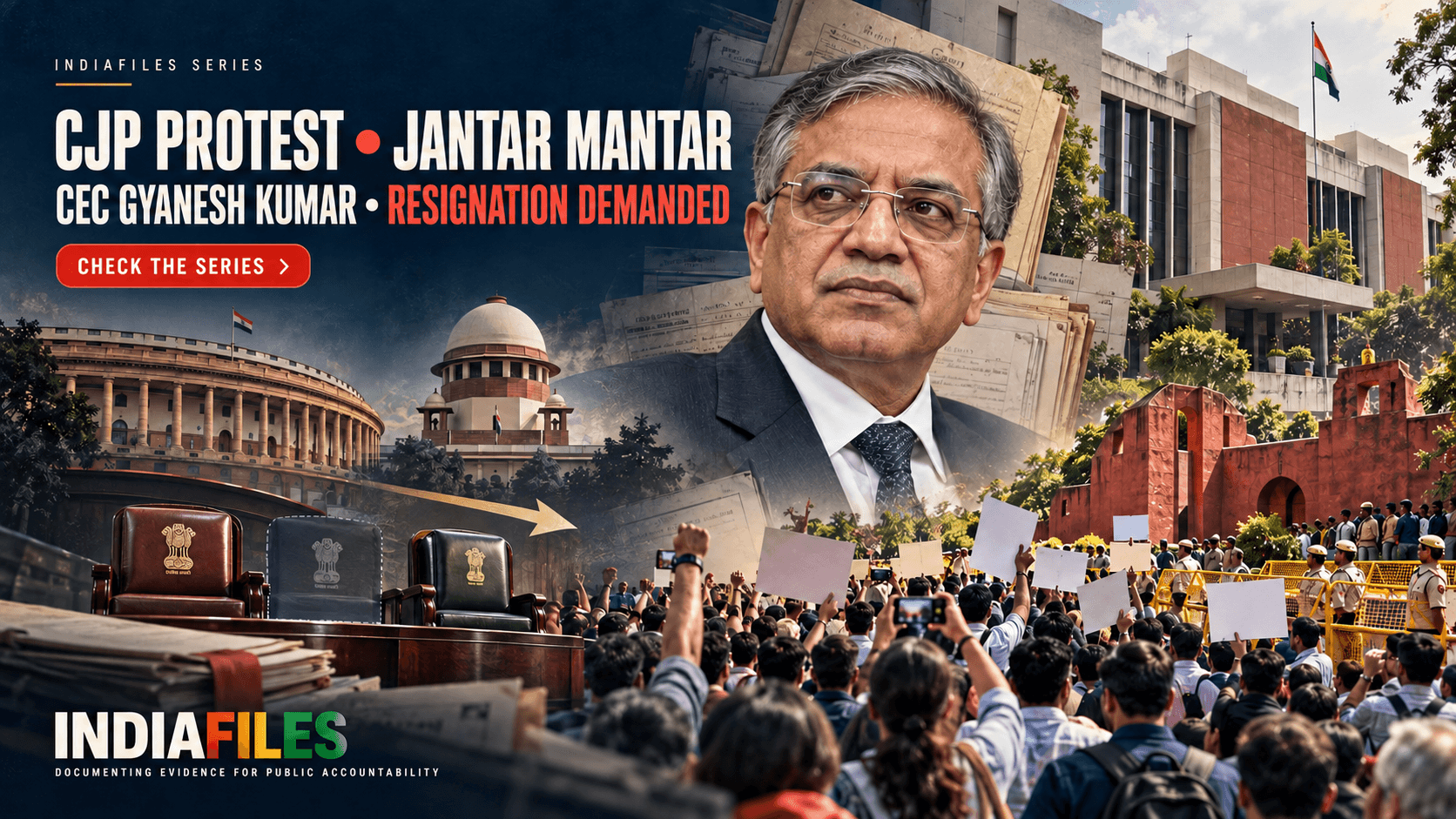
In an investigation published in September 2026, The Indian Express reported that Election Commissioners Sukhbir Singh Sandhu and Vivek Joshi made at least 14 recorded objections over ten months. They questioned steps they said had been taken without their knowledge or approval. The matters included changes to Form 6 for voter registration, deletion and restoration of names, appeals challenging inclusion of voters, and control over software storing electoral rolls.
The newspaper reported that the commissioners also separately approached the Cabinet Secretary over changes affecting supervision of the voter-list technology. Their objections are a documented reporting finding, but calling particular decisions unlawful remains the commissioners’ allegation unless established by competent legal authority. The Election Commission has maintained that its decisions were taken unanimously, and disputed the interpretation of the Cabinet Secretary correspondence. Public reporting does not fully reconcile those positions.
Why collective approval matters
The Election Commission is a three-member constitutional body, not an office in which the Chief Election Commissioner has an unrestricted personal vote. Section 18 of the 2023 law governing the commissioners says its business should be conducted unanimously as far as possible, with differences decided by majority. The Commission may also agree unanimously how work is divided. If an important instruction was issued without the required institutional approval, that would be a serious failure of accountability; the public record examined here does not establish that every challenged instruction was legally invalid.
The critical evidence is not simply whether objections were written. It is whether the necessary decisions, authorisations and changes to technical access were actually approved, recorded and followed. Publishing relevant minutes, directions and audit trails, with necessary security protections, would help answer that question.
What the 13 crore figure does and does not mean
The SIR exercise began in Bihar in June 2025 and expanded across the country. By September 2026, reporting based on draft rolls described more than 13 crore names omitted from draft electoral registers in 30 states and Union Territories. That is a very large administrative change. But a draft omission is not proof that 13 crore eligible people were permanently barred from voting. Records may include deaths, duplicate entries and people who moved; some omitted eligible voters may also be restored after claims, objections and fresh enrolment. These categories must not be mixed up.
The fair test is how many eligible voters were wrongly excluded, how quickly they were informed and whether they had a workable route back onto the final rolls. A large number alone cannot establish a partisan motive or a changed election result. Equally, describing all omissions as routine cleaning does not answer specific evidence that eligible people were kept out.
When software prevents an official from restoring a voter
The Indian Express documented an example in Goa: local Electoral Registration Officers examined documents and judged 97 people eligible, but the system lacked a working option to restore those names before publication of the final list. Officials repeatedly sought a correction. In that reported case, the problem was not simply a disputed number; a digital process prevented locally authorised decisions from taking effect in time. That is an unjust administrative outcome for the affected eligible voters, whatever the intent behind the software design.
The commissioners’ reported concerns about centralising voter-roll database controls are significant for the same reason. Electoral Registration Officers have statutory responsibilities. Digital systems should help them carry out lawful decisions, not silently overrule them without reviewable authority and a timely remedy.
Form 6, corrective drives and court scrutiny
The newspaper also reported objections to a new SIR-related question in Form 6: applicants could not submit the online form without answering it, even though commissioners had questioned whether the change could be made without amending the rules. In late September, the Election Commission instructed states where SIR had finished to conduct a special drive for eligible voters left out of the lists. That offers a route towards correction, but its success depends on whether affected people can actually complete the process and appear on the roll.
In October 2026, litigation concerning the Commission’s conduct and SIR reached the Supreme Court, which issued notices seeking responses. Notices and pending challenges do not amount to judicial findings that the Chief Election Commissioner committed misconduct or that the whole exercise was unlawful. The legal status of particular Form 6 changes and disputed actions must be assessed against the actual court orders, not inferred from public accusations.
The larger finding
The reported internal objections and the documented voter-restoration problems call for a concrete institutional answer: who authorised consequential voter-list changes, who controlled the systems, which eligible citizens were wrongly excluded, and whether they received effective corrections before voting. The Commission’s stated commitment to accurate rolls is legitimate, but accuracy cannot be pursued by leaving eligible voters without notice, accessible review or usable remedies. Where eligible people were confirmed but the system kept them off the final roll, the failure deserves plain criticism and correction.
Neither the 14 objections nor the more than 13 crore draft exclusions proves a secret political order to manipulate elections. They do justify close scrutiny of the Commission’s records, software powers and corrective results. The measure of electoral integrity is not only whether duplicate or outdated names disappear, but whether every eligible citizen can exercise the right to vote through a transparent and workable process.