MAIN MENU

Evidence Primary Source
Evidence from an original official record, speech, document, or first-party source.
A Jharkhand protester said students who spend long hours studying were being forced onto the streets over recruitment examinations. The August 2026 protests brought cancellations, investigations and police action, but High Court challenges showed why protecting honest candidates matters too.
GEOGRPAHY : Jharkhand
TYPE : Analysis
EVIDENCE : Primary Source
PERIOD : 2026
UPDATED : 19 Oct 26 / 3:08 pm
No comments on Jharkhand students wanted fair exams, not a street battle: what an August protest speech reveals
In a 21 July reel, a speaker at Delhi’s Jantar Mantar condemned police force against demonstrators and questioned India’s democratic accountability. The remarks followed reported clashes over NEET exam irregularities and raise a concrete question: when do public-order controls cross into unjust suppression of peaceful dissent?
ENTITIES : Delhi Police
GEOGRPAHY : Delhi
TYPE : Protest
EVIDENCE : Primary Source
PERIOD : 2026
UPDATED : 19 Oct 26 / 2:59 pm
A 2 October 2026 reel identifies journalist Harsh as he repeatedly refers to his press card during police action near Jantar Mantar. Independent reporting confirms large protest detentions that day, but the individual detention and its legal basis require separate scrutiny. Later detentions of reporters deepen the press-freedom question.
GEOGRPAHY : Delhi
TYPE : Event
EVIDENCE : Primary Source
PERIOD : 2026
UPDATED : 18 Oct 26 / 10:03 pm
Ahead of the 10 October 2026 Jantar Mantar protest, Delhi authorities restricted Metro access and cancelled many railway services. Subsequent court proceedings exposed the difference between planned closures and actual operations—and raised serious questions about whether security restrictions went too far.
GEOGRPAHY : Delhi
TYPE : Protest
EVIDENCE : Primary Source
PERIOD : 2026
UPDATED : 18 Oct 26 / 9:36 pm
A 9 October reel asks how Indians can exercise their right to protest when permission is refused even at designated venues. Delhi Police gave public-order reasons for rejecting a 10 October rally; the later closure of Jantar Mantar and Supreme Court scrutiny raise a harder question about whether workable space for dissent remains.
CJP’s 48-hour demand for Gyanesh Kumar’s resignation: Why the deadline passed but protests continued
Akash Banerjee’s satirical response questioned whether CJP understood the Chief Election Commissioner’s position. The deadline did not bring a resignation, but later protests, police detentions and opposition demands show that the accountability dispute continued.
ENTITIES : Abhijeet Dipke, Cockroach Janata Party (CJP), Election Commission of India, Gyanesh Kumar
GEOGRPAHY : India
EVIDENCE : Primary Source
PERIOD : 2026
UPDATED : 18 Oct 26 / 8:50 pm
In a September 2026 reel, a speaker challenges why questions about Chief Election Commissioner Gyanesh Kumar are being framed as criticism of the BJP. The exchange raises the public-interest distinction between scrutiny of an independent constitutional institution and partisan opposition; the short clip does not establish political control or wrongdoing.
CATEGORIES : Politics & Governance
ENTITIES : Gyanesh Kumar
TYPE : Analysis
EVIDENCE : Primary Source
PERIOD : 2026
UPDATED : 11 Oct 26 / 4:12 pm
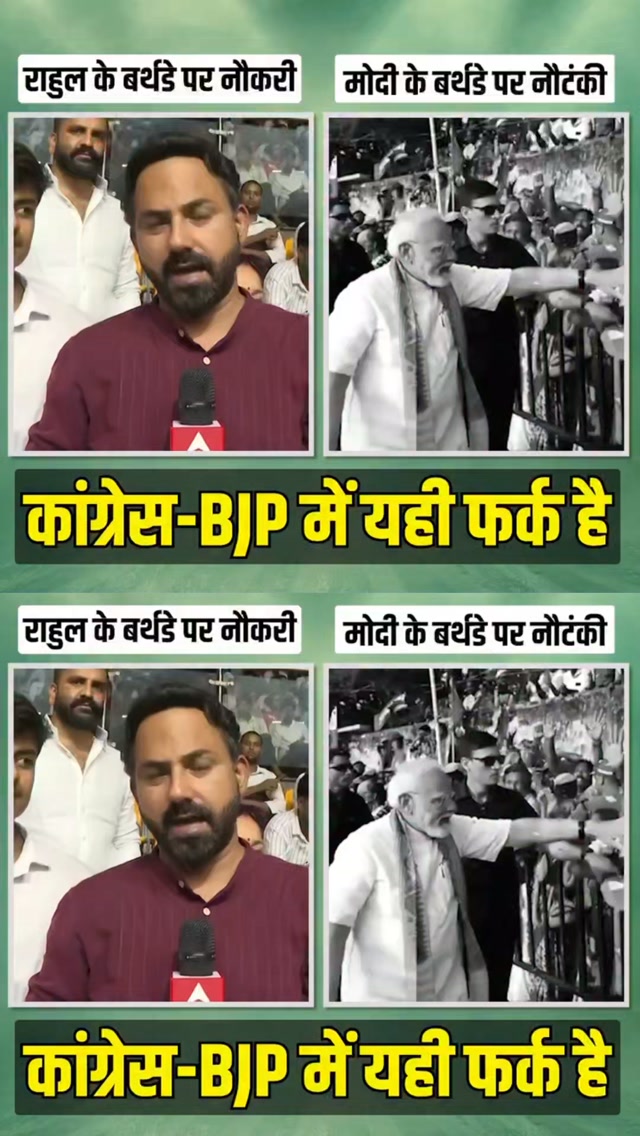
INC Bihar’s 17 September 2026 reel contrasts a Rahul Gandhi birthday job fair with Narendra Modi birthday lamp-lighting celebrations. Both underlying events are documented, but the job fair was in June 2025 and advertised 5,000-plus opportunities rather than verified hires; the juxtaposition shows competing political symbolism around employment and celebration, not a like-for-like measure of…
CATEGORIES : Politics
UPDATED : 18 Sep 26 / 7:08 pm
A September 2026 Instagram reel republishes Narendra Modi’s May 14, 2024 statement that the solution to global warming lies in “devotion to nature,” made while explaining Ganga aarti and conservation. The quote is authentic, but climate science and India’s own climate commitments require concrete greenhouse-gas reductions and energy-system changes; the evidence does not show that…