MAIN MENU

Entity Manmohan Singh
Former Prime Minister of India.
A reel contrasts cartoons mocking Manmohan Singh during the 2013 rupee crisis with reporting under Modi in 2026. The old crisis was real, but India Today and Aaj Tak did cover the rupee’s later record lows. The stronger question is consistency of scrutiny, which cannot be settled by one cartoon or a few headlines.
No comments on Was Manmohan Singh judged more harshly over the rupee? The real currency crisis and what 2026 media coverage shows
In 2005, students protested against Prime Minister Manmohan Singh at JNU. Contemporary reports confirm the black flags, while later testimony supports his request for leniency. The incident shows both the rights of protesters and the limits of a viral retelling.
GEOGRPAHY : Delhi
TYPE : Protest
EVIDENCE : Context verified
PERIOD : 2005
UPDATED : 19 Oct 26 / 4:29 pm
An Instagram meme invokes the old “maun” label for Manmohan Singh to mock Narendra Modi’s press-conference record. Singh’s archival record includes numerous press interactions, while reporting through 2026 says Modi has not held a comparable open solo press conference in India—though he has appeared at joint press events, so a literal “no press conferences” reading…
India’s August 2026 sugar-price surge reflected a real short-term supply squeeze. A newly submitted reel uses Narendra Modi’s 2013 anti-inflation speech to suggest sugar would be ₹15/kg under that standard; the contrast is legitimate accountability context, but ₹15 is an unverifiable counterfactual and the old speech does not explain the 2026 shock.
GEOGRPAHY : India
UPDATED : 13 Sep 26 / 4:19 pm
Shubhankar Mishra’s 20 July reel captured a real but time-bound criticism: at that point no direct public Modi response to the NEET-UG 2026 protest had been identified. Modi addressed the issue the next day inside the NDA parliamentary meeting and publicly announced fast-track courts on 23 July; Pradhan resigned on 25 July, an exam-reform task…
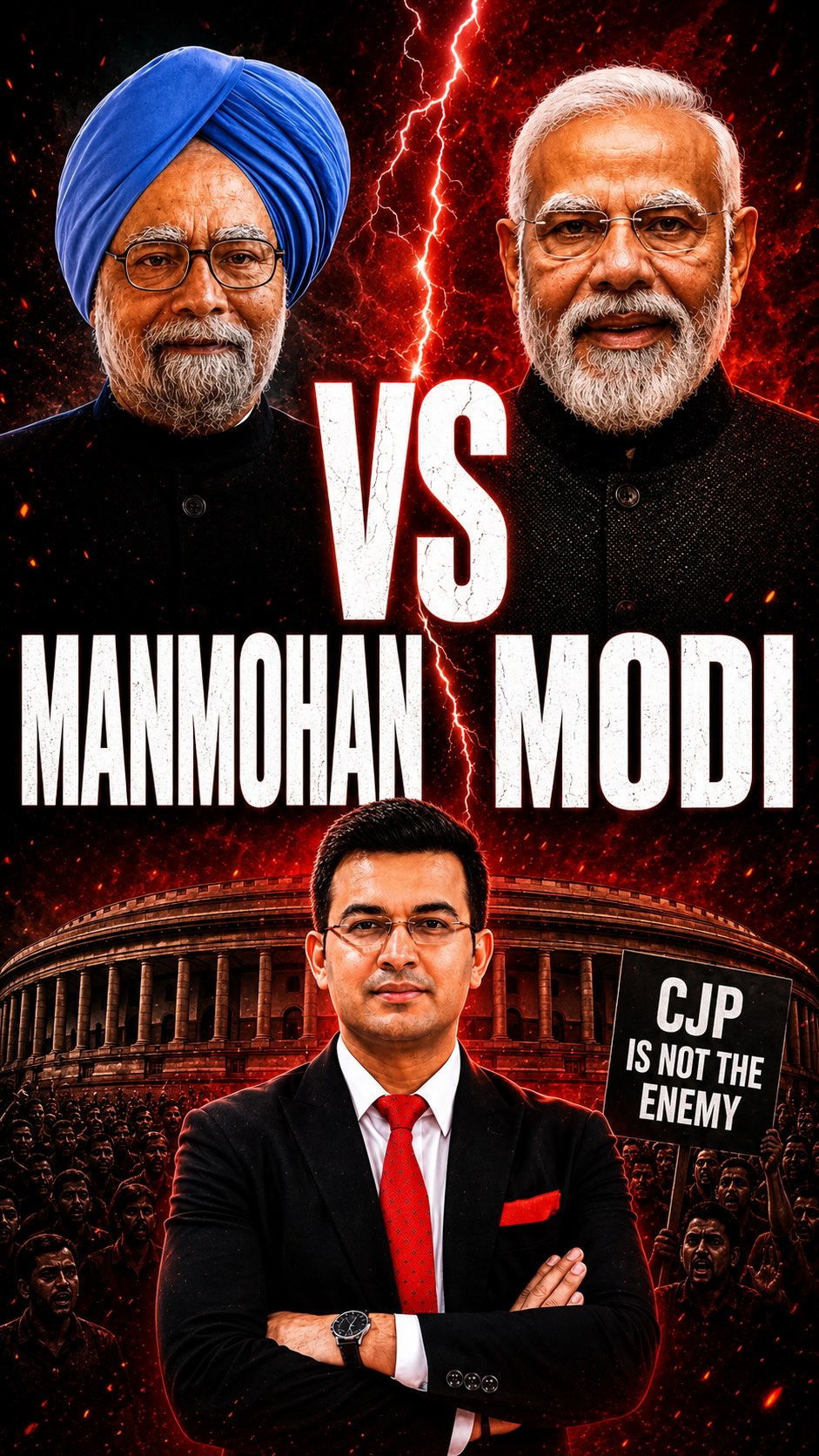
ENTITIES : Central Bureau of Investigation (CBI), Cockroach Janata Party (CJP), Dharmendra Pradhan, Manmohan Singh, Narendra Modi, National Testing Agency (NTA), Shubhankar Mishra
GEOGRPAHY : Delhi
EVIDENCE : Partially Verified
UPDATED : 13 Sep 26 / 11:34 am
Political mockery of Manmohan Singh did occur before 2014, but that period also saw arrests over cartoons, spoofs and online criticism; after 2014, Modi mimicry continued alongside documented broadcaster caution, blocking activity and wider concerns about pressure on critics. The evidence supports a continuing and changing free-expression problem, not the reel’s claim of a clean…
GEOGRPAHY : India
UPDATED : 13 Sep 26 / 11:33 am
India’s 1991 reforms helped reshape long-run growth; the one-man ‘uninterrupted’ story is too simple
Angela Merkel did credit Manmohan Singh’s 1991 reforms with helping enable almost three decades of Indian economic growth, and contemporary records confirm a major shift in trade, licensing, investment and finance under the Rao government. But growth was not literally uninterrupted or caused by one person: later reforms, investment and global conditions mattered, and economists…
GEOGRPAHY : India
UPDATED : 13 Sep 26 / 11:34 am
A genuine 2012 clip shows Narendra Modi blaming a petrol hike on governance, while a ₹3-per-litre increase occurred under his premiership in May 2026. The deeper record is that Indian fuel prices are formally deregulated yet have repeatedly been frozen or adjusted instead of mechanically tracking crude costs—leaving real government and state-company discretion without proving…
A June 2026 reel revives Narendra Modi’s pre-PM attacks on rupee weakness as the currency trades in the mid-₹90s per US dollar. The comparison is relevant to political accountability, but 2013 and 2026 exchange-rate moves reflect different mixes of external shocks, domestic vulnerabilities, capital flows and RBI intervention; ₹/US$ alone does not prove one prime…