MAIN MENU

Entity Election Commission of India
Two Election Commissioners reportedly objected at least 14 times to decisions involving voter registration, roll software and SIR. More than 13 crore draft-roll exclusions and problems restoring eligible voters show why collective oversight, transparent records and effective correction routes matter. The Election Commission disputes that its decisions lacked collective approval.
No comments on Two Election Commissioners’ objections over SIR: what 13 crore draft exclusions reveal about voter-list safeguards
A reel links the 2023 suspension of Opposition MPs to legal protection for Election Commissioners and argues it now shields CEC Gyanesh Kumar. Parliament did pass the law amid mass suspensions, and Section 16 restricts court proceedings over official-duty acts. But its reach is not a blanket ban on investigations or arrests, and an alleged…
The Supreme Court's March 2023 interim panel included the Chief Justice of India. Parliament's later law replaced the CJI with a Cabinet minister nominated by the Prime Minister, giving the government side two of three seats. What the change means for independent elections, and where the 2026 court challenge stands.
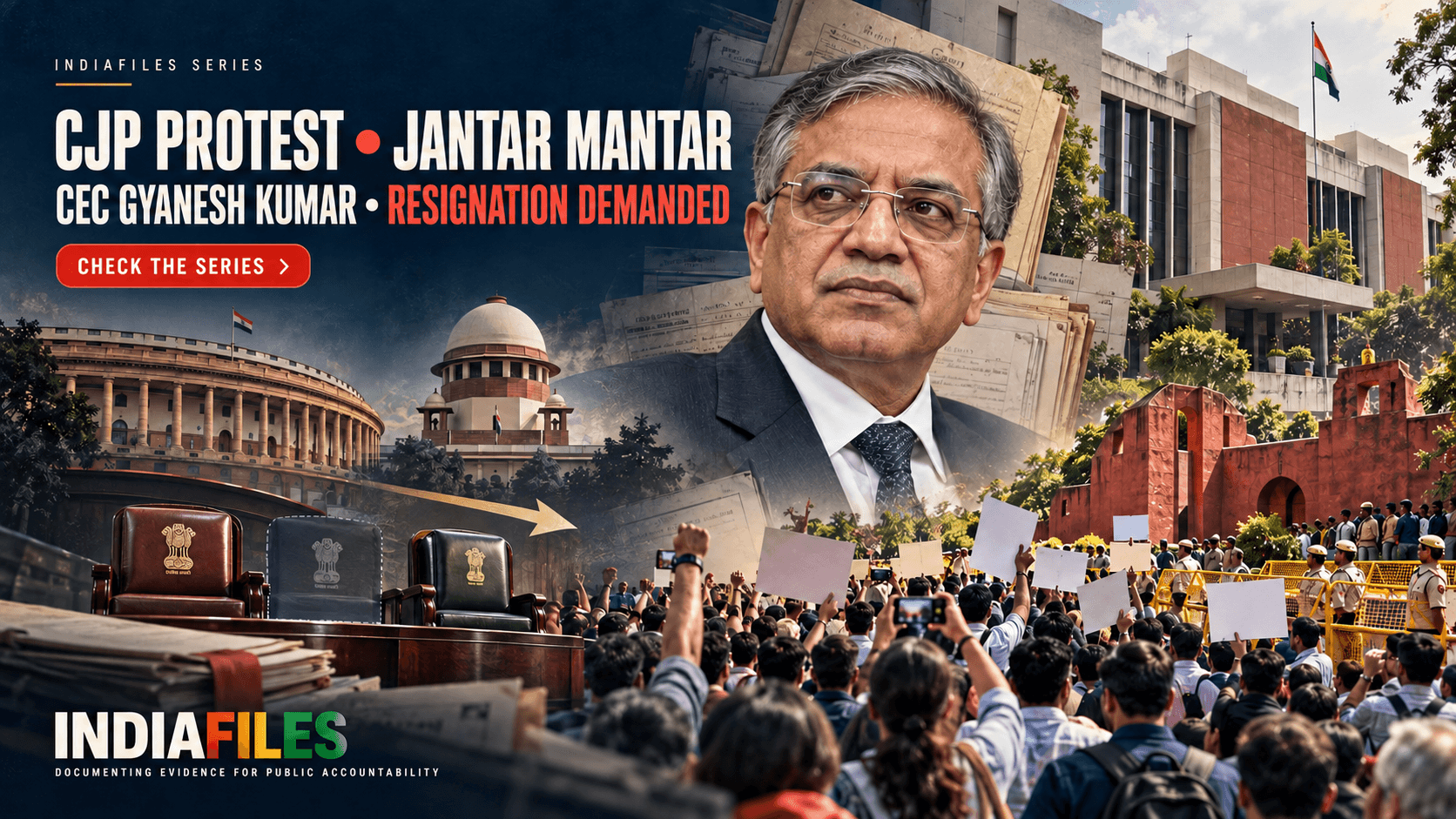
From the 2023 election-commissioner appointment and legal-protection framework to voter-roll disputes, Delhi's CJP protests, detentions, the Tiranga March and a London demonstration, these connected records examine electoral accountability and the treatment of peaceful dissent. Verified restrictions and reported internal objections do not by themselves prove deliberate vote theft or politically directed suppression.
TAGS : Police Accountability, Election Commission independence, Right to Peaceful Protest, Election integrity, Freedom of expression, election-commission, Press Freedom
ENTITIES : Gyanesh Kumar, Cockroach Janta Party (CJP), Delhi Police, Election Commission of India, Supreme Court of India
EVIDENCE : Partially Verified
RANKINGS : Featured
CHECKOUT : CJP (Cockroach Janta Party)
UPDATED : 21 Oct 26 / 12:10 pm
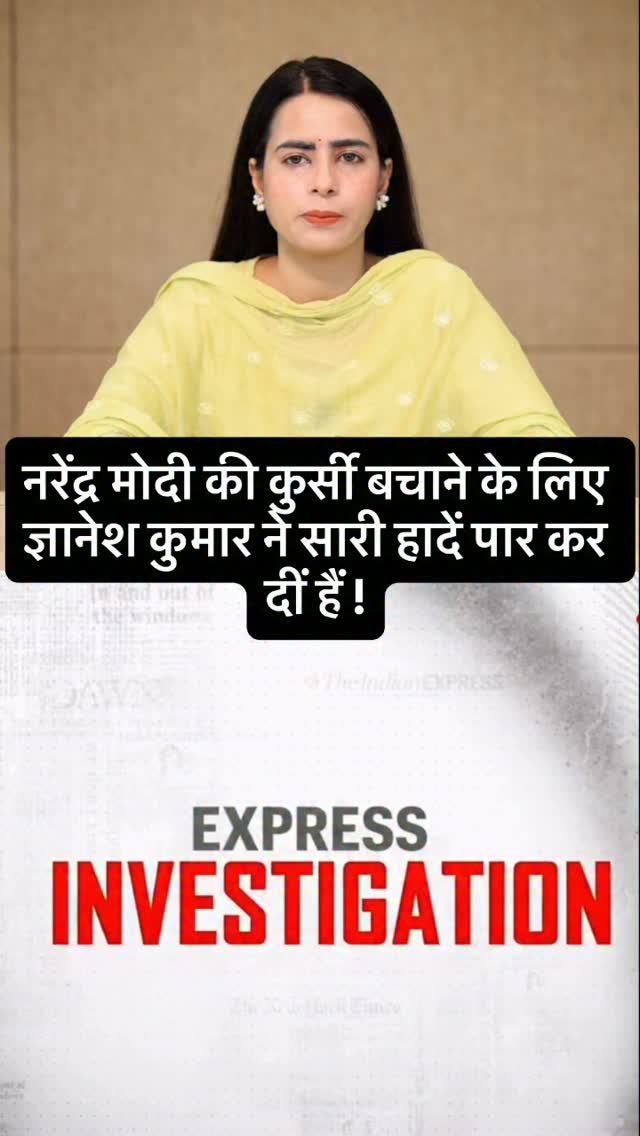
Vocal Naari’s reel accurately cites The Indian Express finding that Election Commissioners Sukhbir Singh Sandhu and Vivek Joshi recorded at least 14 objections over ten months to how important poll-panel actions were handled. Those objections raise a documented question about Election Commission decision-making and voter-roll safeguards, but the evidence reviewed does not establish the reel’s…
ENTITIES : Election Commission of India, Gyanesh Kumar, Narendra Modi, Sukhbir Singh Sandhu, Vivek Joshi
GEOGRPAHY : India
UPDATED : 24 Sep 26 / 9:11 pm
A Hindustan reel from an event branded “9th Bihar Chhatra Sansad” argues that aspiring politicians should clear an “Indian Political Service” exam. India currently has no general education or competitive-exam requirement for MPs or MLAs; the deeper issue is whether competence screening would improve representation or exclude citizens from elected office.
In a 2026 reel, Avadh Ojha asks why citizens who demand competent professionals elect politicians with criminal backgrounds and argues that voters must hold representatives accountable. Election-affidavit data supports the wider concern: 46% of MPs elected in 2024 declared criminal cases, but pending cases are not convictions and the evidence does not establish Ojha’s claim…
GEOGRPAHY : India
UPDATED : 15 Sep 26 / 11:11 am
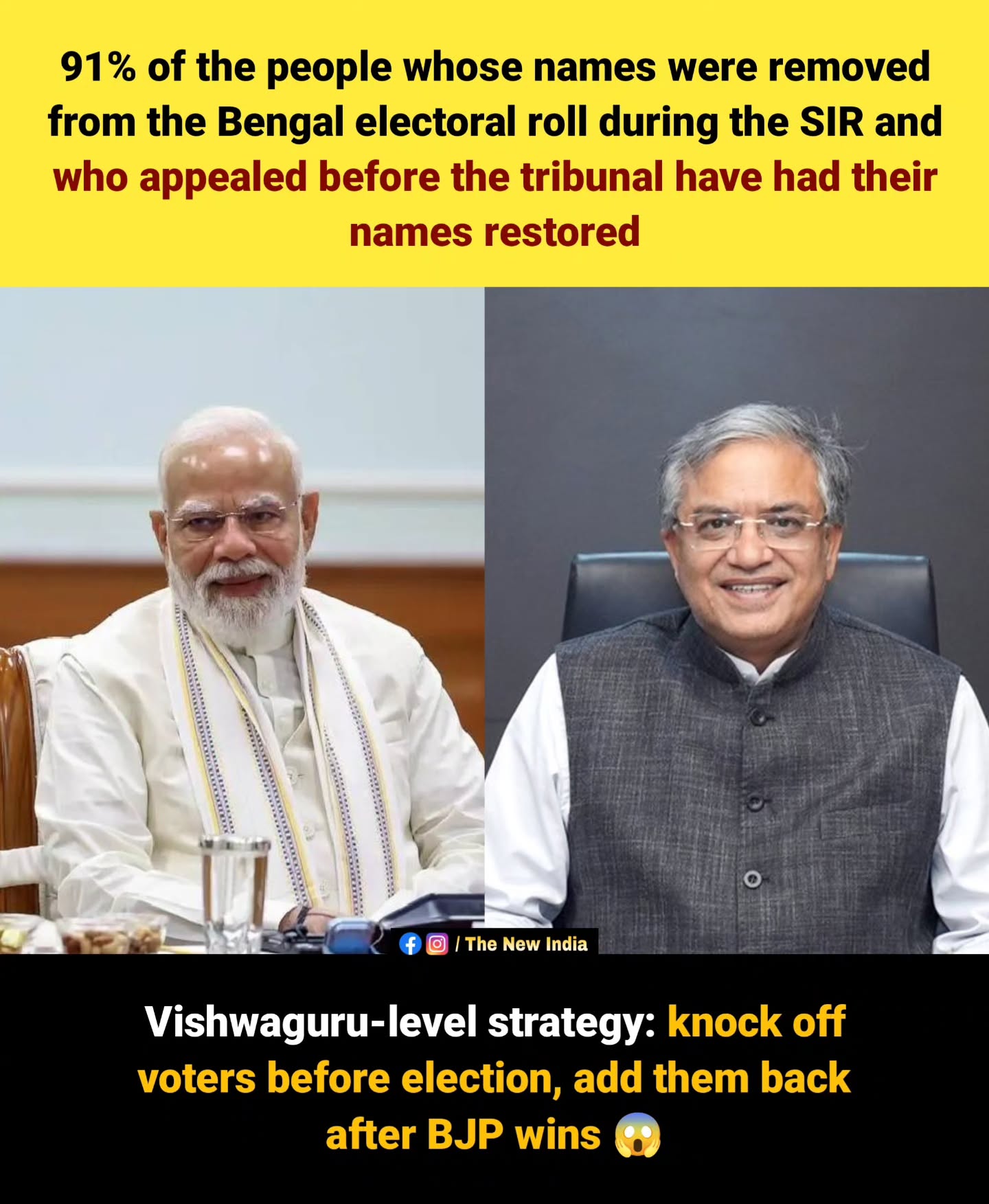
The New India’s graphic cites a real figure: 75,443 of 82,782 West Bengal SIR appeals with recorded outcomes had resulted in inclusion/restoration, about 91%. But only a small share of the wider appeals pool had been decided, and the evidence reviewed does not establish the graphic’s allegation that voter removals and later restorations were a…
Narendra Modi’s 2024 pledge not to do “Hindu-Muslim” politics sits uneasily with his Banswara speech, where a reference to Muslims immediately preceded “more children” and “infiltrators”. The submitted reel captures that broader contradiction, but misleadingly strips context from a 2026 Bengal clip and wrongly says the Election Commission took no action; motive and electoral effect…
CHECKOUT : Narendra Modi
UPDATED : 13 Sep 26 / 11:33 am